
Benefits of Treatment
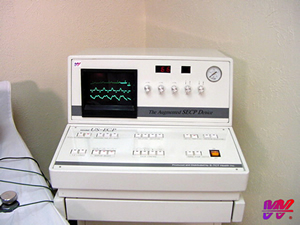
Cardiovascular Clinical Outcomes
ECP treatment has been clinically demonstrated to provide outcomes comparable to conventional revascularization approaches such as bypass surgery, angioplasty, and stent placement in selected patients.
Studies indicate that nearly 80% of patients with angina experience meaningful benefits from ECP therapy. Following a full course of treatment, many patients report: reduction or elimination of angina symptoms, improved exercise tolerance, greater ability to resume normal daily and social activities, and reduced reliance on anti-anginal medications.
These outcomes support ECP as an effective, non-invasive alternative or adjunct for patients with coronary artery disease.
Neurocognitive Scientific Foundation (Emerging Evidence)
Growing scientific evidence suggests that vascular health and cerebral blood flow play a critical role in cognitive function.
Research conducted at the University of Kansas Medical Center indicates that improving cerebral perfusion may help slow cognitive decline. External Counterpulsation, originally developed for cardiovascular disease, has been shown to: increase systemic circulation, enhance blood flow to vital organs, including the brain, and improve perfusion in memory-related brain regions.
Preliminary studies suggest that ECP therapy may be associated with improvements in cognitive performance in patients with mild cognitive impairment and early-stage neurodegenerative conditions.
Additional findings presented at the CTAD 2025 further support the potential role of ECP in cognitive health, demonstrating improvements in cognitive scores (vADAS-cog) alongside increased cerebral blood flow.
While these results are promising, ECP for cognitive and neurological conditions remains an evolving area of clinical research and is not yet considered a standard of care.
Research References
- American Heart Association abstract: https://www.ahajournals.org/doi/10.1161/atvb.42.suppl_1.483
- University of Kansas Medical Center Counterpulsation Program: https://www.kumcecp.com/, https://www.kumcecp.com/poster-presentations
- From usecp.com:
-- Study on the Therapeutic Effects of External Counterpulsation on Alzheheimer-Type Senile Dementia