
What is ECP?
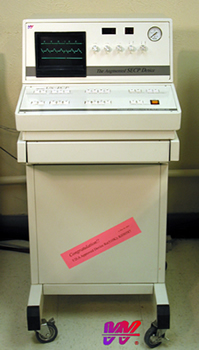
External Counterpulsation (ECP) is a non-invasive, non-pharmacological therapy designed to enhance blood flow, support vascular function, and improve hemodynamic performance. Originally pioneered in the United States in the late 1960s, ECP has evolved over decades through clinical use and technological advancement. It is now an established therapeutic option in selected patients with coronary artery disease and related cardiovascular conditions, offering a low-risk, non-surgical alternative or adjunct to conventional treatments.
How ECP Works
ECP works by sequentially inflating and deflating cuffs on the lower extremities in synchronization with the cardiac cycle. This process increases diastolic pressure, enhances perfusion and supports endothelial function. Together, these mechanisms contribute to improved circulation and cardiovascular performance.
Clinical Applications & Scientific Evidence
ECP is clinically established as a safe and effective non-invasive therapy for selected cardiovascular conditions, including angina, coronary artery disease, and certain heart failure conditions. The U.S. Food and Drug Administration (FDA) has cleared ECP systems for these indications, supporting its role in improving circulation and cardiovascular performance.
Beyond cardiovascular care, growing scientific evidence highlights the important connection between vascular health, cerebral blood flow, and brain function. Ongoing clinical research, including studies conducted at the University of Kansas Medical Center, is evaluating ECP in patients with mild cognitive impairment (MCI), early-stage Alzheimer's disease, and other forms of cognitive decline and dementia.
Recent pivotal findings presented at the CTAD 2025 demonstrated that ECP may significantly improve cognitive performance (vADAS-cog) in patients with MCI and early Alzheimer's disease, with observed benefits associated with increased cerebral blood flow. These findings suggest that ECP may play a meaningful role in supporting cognitive function through improved neurovascular circulation.
While cardiovascular applications are well established and widely covered by insurance, the use of ECP in neurocognitive conditions remains an emerging area of research. Although clinical results are increasingly promising, insurance coverage for brain-related indications has not yet fully aligned with current evidence, and patients may need to cover treatment costs out-of-pocket.
Technology & Safety
Modern systems, such as Model US-ECP, incorporate advanced software and digital control technologies to ensure precision, safety and reliability in clinical use. ECP remains a low-risk, non-invasive treatment option when administered under proper medical supervision.
Our Mission
US-ECP Inc. collaborates with physicians, researchers, and healthcare institutions to advance the use of ECP in cardio-cerebrovascular conditions. By providing a non-invasive therapeutic platform grounded in hemodynamic science, we aim to improve patient outcomes, expand clinical research and advance applications in neurovascular and cognitive health.