
Course of Treatment
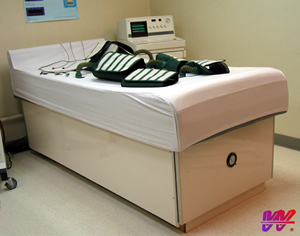
General Treatment Overview
In the United States, a prescription from a licensed physician is required for ECP treatment. ECP is delivered in hourly sessions, typically administered once or twice daily, 5 to 6 days per week. Treatment protocols may vary depending on the clinical indication and patient condition.
Cardiovascular Treatment Protocol
For cardiovascular indications, the standard ECP regimen includes: A total of approximately 35 hours of therapy, delivered over 5 to 7 weeks.
This protocol has been widely adopted for patients with: Stable angina, Coronary artery disease, and certain congestive heart failure conditions
Insurance Coverage (Cardiovascular): ECP treatment for cardiovascular conditions is currently covered by Medicare and Medicaid, and reimbursed by most U.S. health insurance providers.
ECP may be indicated for patients who have undergone prior cardiac procedures, are not ideal candidates for surgery or prefer a non-invasive alternative to medication or intervention.
Neurocognitive Treatment Protocol (Emerging Application)
For cognitive and neurological conditions, treatment protocols differ from cardiovascular care and are still evolving based on clinical research.
Current practice patterns suggest: Approximately 50 treatment sessions in the first year ,and followed by maintenance therapy in the second year, depending on patient response and physician evaluation.
This approach is being explored in patients with: Mild Cognitive Impairment (MCI), Early-stage Alzheimer's disease or Cognitive decline and dementia.
Insurance Coverage (Neurocognitive): ECP treatment for brain-related conditions is not yet covered by most insurance providers. Patients may need to self-pay for therapy.
Safety Profile
ECP therapy has demonstrated a strong safety profile over decades of clinical use. There's no significant adverse effects have been reported in standard clinical practice, and the treatment is non-invasive and well tolerated by most patient.
However, ECP may be contraindicated for patients with certain conditions, including: recent surgical intervention, uncontrolled arrhythmia, pacemakers, severe pulmonary disease, severe hypertension, aneurysms, pregnancy, or the presence of a burn, open wound, or fracture on any limb subject to ECP treatment.